Wooden Skiff Plans for Simple Construction and Easy Handling
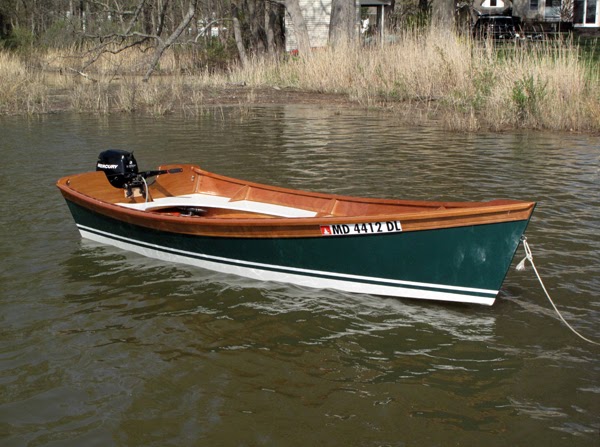
Building a Wooden Skiff: A Beginner's Guide to Simple Construction and Easy Handling
The allure of a wooden skiff is undeniable. Its classic lines and timeless elegance evoke a sense of nostalgia and adventure. But building a skiff from scratch can seem daunting, especially for those without extensive woodworking experience. However, with the right plans and a touch of determination, anyone can create their own beautiful and functional skiff. This article will guide you through the process of building a simple yet sturdy wooden skiff, focusing on ease of construction and handling.
Choosing the Right Plans
The foundation of a successful skiff build lies in selecting the right plans. Look for plans specifically designed for beginners, emphasizing simplicity and clear instructions. Consider these factors:
Size and Capacity
Determine the desired length and width of your skiff, considering your intended use and the number of people you'll be carrying. Choose plans that align with your needs and skill level.
Construction Technique
Skiffs can be built using various methods, including stitch-and-glue, plank-on-frame, or strip planking. For beginners, stitch-and-glue offers a simpler and quicker approach, using plywood panels glued and fastened together.
Material Recommendations
The plans should specify the type of wood or plywood required. Look for marine-grade plywood or hardwoods known for their durability and resistance to rot.
Gather Your Tools and Materials
Once you've chosen your plans, it's time to gather the necessary tools and materials. This includes:
- Power saw or jigsaw for cutting wood
- Sandpaper in various grits
- Clamps for holding pieces together
- Epoxy resin and hardener for bonding
- Screws and fasteners
- Marine-grade plywood or hardwood
- Paint or varnish for protection
- Oars or paddles
Construction Steps: A Step-by-Step Guide
Building your skiff is a rewarding process that allows you to bring your vision to life. Follow these steps meticulously for a successful build:
Prepare the Wood
Start by cutting the plywood or hardwood pieces according to the plan dimensions. Sand all surfaces smooth to ensure a clean and seamless build.
Assembly
Follow the plans carefully, carefully aligning and attaching the pieces using screws and epoxy. Allow ample time for the epoxy to cure fully before moving on to the next step.
Finishing
Sand the entire skiff thoroughly to create a smooth surface. Apply a few coats of marine-grade paint or varnish to protect the wood and enhance its beauty.
Rigging
Install the oarlocks or paddle supports, and attach the oars or paddles. Be sure to test the boat in a controlled environment before venturing out on open water.
Easy Handling and Stability
Building a wooden skiff that is both easy to handle and stable is key to a enjoyable experience. Consider these design elements:
Wide Beam
A wider beam provides greater stability, making the skiff less prone to tipping over, especially in rough water.
Shallow Draft
A shallow draft allows the skiff to navigate shallow waters and sandy shores with ease. It's perfect for exploring calm bays and inlets.
Light Weight
Using lightweight materials like marine-grade plywood makes the skiff easy to transport and launch. You'll appreciate the ease of handling, especially if you're working alone.
Conclusion: A Joy to Build and Enjoy
Building a wooden skiff is a rewarding journey that allows you to connect with the traditional craft of boatbuilding. By choosing simple plans and following the steps carefully, you'll be able to create a beautiful and functional skiff that will provide you with years of enjoyment on the water. The sense of accomplishment and the joy of gliding across the water in a boat you built yourself are truly priceless.

0 comments:
Post a Comment
Note: Only a member of this blog may post a comment.