DIY Wooden Boat Kits: How to Get Started
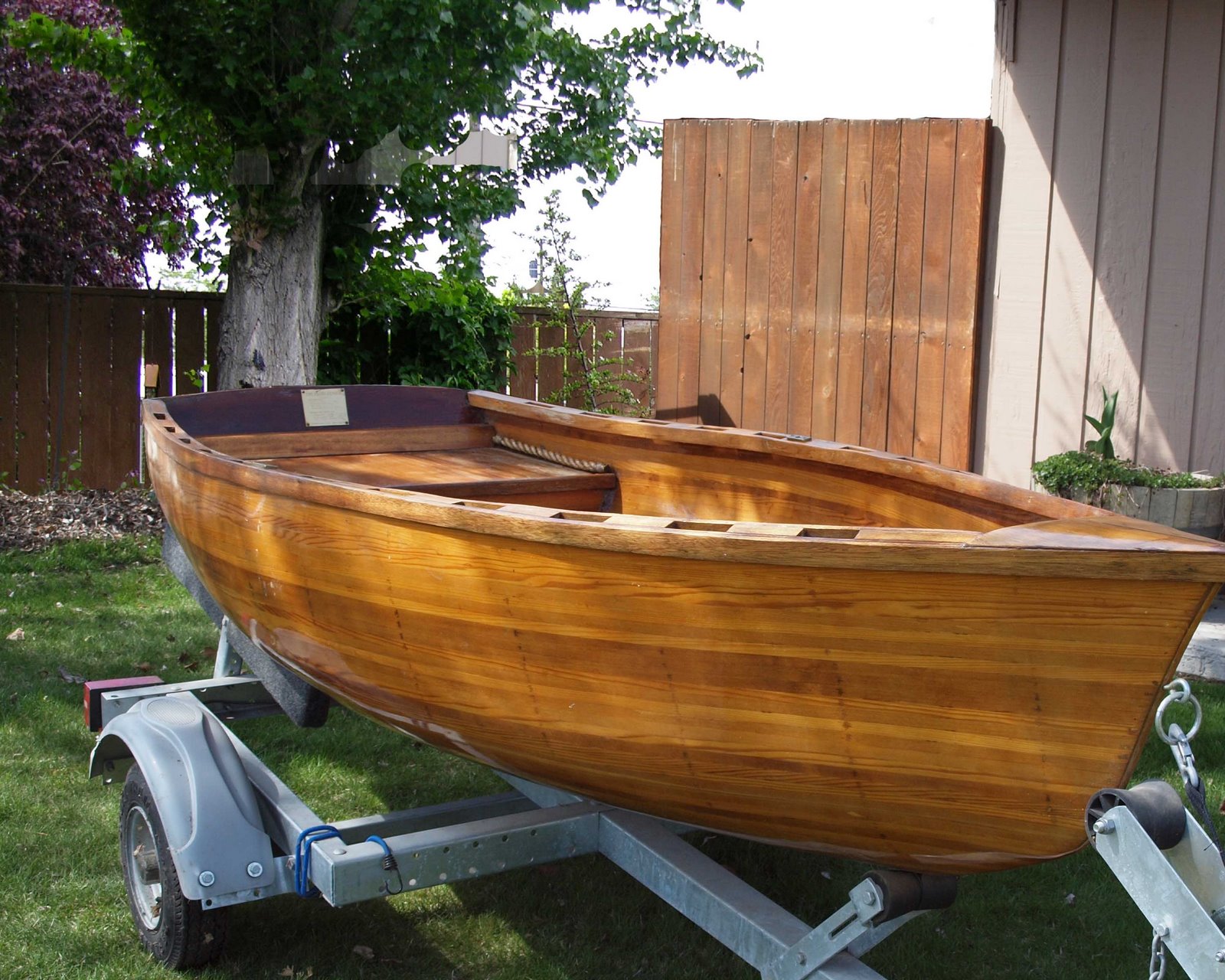
DIY Wooden Boat Kits: How to Get Started
The allure of crafting a wooden boat from scratch is undeniable. The process offers a rewarding blend of craftsmanship, artistry, and a connection to the history of shipbuilding. Whether you're an experienced woodworker or a curious novice, diving into a DIY wooden boat kit can be an exciting journey.
This comprehensive guide will walk you through the essential steps to embark on this exciting endeavor. From selecting the right kit and understanding the materials to mastering basic techniques and navigating potential challenges, we'll provide you with the knowledge and confidence to build your own wooden boat.
Choosing the Right Kit
The first step in your wooden boat building journey is selecting the right kit. This decision will influence the complexity of the project, the required skills, and ultimately, the type of boat you'll be building.
Boat Type
Consider the intended use of your boat. Are you looking for a small dinghy for recreational paddling, a sailboat for leisurely cruises, or a larger, more intricate vessel for serious sailing?
- Dinghies: Ideal for beginners, these small, lightweight boats are simple to build and perfect for rowing or paddling.
- Sailboats: Offer a greater challenge, requiring more carpentry skills and knowledge of sailing principles. They come in various sizes and designs, catering to different skill levels.
- Rowboats: A classic choice, rowboats provide a leisurely and scenic boating experience.
- Kayaks: For the adventurous, these sleek and efficient boats are perfect for exploring waterways and rivers.
Kit Complexity
Kits vary in complexity, from simple pre-cut kits that require minimal woodworking experience to more advanced kits that demand advanced carpentry skills.
- Pre-cut Kits: Offer a great starting point for beginners, with pre-cut pieces that minimize woodworking tasks.
- Plank-on-Frame Kits: Provide a more hands-on experience, requiring you to cut and shape planks to form the hull.
Material Quality
The quality of the wood and other materials used in the kit will significantly impact the durability and lifespan of your boat. Opt for kits that use high-quality, marine-grade materials to ensure long-lasting performance.
Manufacturer Reputation
Choose a reputable kit manufacturer with a proven track record of quality and customer service. Look for reviews and testimonials from other boat builders to gain insights into the manufacturer's reliability.
Understanding the Materials
A good understanding of the materials used in wooden boat building is essential for success. Here's a glimpse into some of the common materials:
Wood
The heart of your boat, wood plays a vital role in its structural integrity and aesthetics. Common choices include:
- Mahogany: Known for its strength, durability, and beautiful grain patterns. Ideal for planking and interior work.
- Cedar: Lightweight and naturally resistant to rot, making it suitable for spars and other components.
- Oak: Strong and durable, often used for framing and structural elements.
- Pine: Affordable and readily available, used for interior work and non-structural components.
Epoxy Resin
Epoxy resin is essential for bonding wood parts, sealing seams, and creating a watertight hull. It offers exceptional strength, water resistance, and durability.
Fiberglass Cloth
Fiberglass cloth, combined with epoxy resin, reinforces the hull, adding strength and protection against impact damage.
Hardware
A wide range of hardware is required for completing your boat, including:
- Screws: Used for attaching various components.
- Fasteners: Securely connect structural parts.
- Hardware Fittings: Provide attachments for sails, oars, and other equipment.
Essential Tools and Equipment
Before embarking on your wooden boat building journey, ensure you have the essential tools and equipment. This includes:
- Workbench: A sturdy work surface for assembling and working on the boat.
- Hand Tools: A set of screwdrivers, hammers, pliers, chisels, and saws for basic woodworking tasks.
- Power Tools: A drill, jigsaw, and sander will significantly expedite the process. Consider investing in a router for shaping intricate curves.
- Measuring Tools: A tape measure, ruler, protractor, and level for precise measurements.
- Clamps: Essential for holding parts together during assembly and gluing.
- Safety Gear: Eye protection, gloves, and dust masks are crucial for protecting yourself from potential hazards.
- Paint and Finishing Supplies: Choose marine-grade paint and varnish for long-lasting protection and aesthetics.
Key Techniques for Building a Wooden Boat
Building a wooden boat involves several key techniques that require practice and precision. Mastering these skills will ensure a successful and rewarding project.
Plank Bending
Plank bending involves shaping wooden planks to create the curves of the hull. This technique requires specialized tools like a bending form and a steamer for softening the wood.
Seaming and Gluing
Seaming involves joining planks together using epoxy resin and fiberglass cloth. This technique ensures a watertight and strong hull. Precise measurements and careful application of epoxy are crucial.
Fiberglassing
Fiberglassing involves layering fiberglass cloth with epoxy resin to reinforce the hull. This technique adds strength and protection against impact damage.
Finishing and Painting
After building the hull and installing other components, the final step involves finishing and painting the boat. This includes sanding, priming, and applying multiple coats of marine-grade paint and varnish.
Potential Challenges and Solutions
Building a wooden boat is not without its challenges. However, with careful planning and problem-solving, you can overcome these obstacles.
Time Management
Building a wooden boat requires significant time and effort. Allocate sufficient time for each stage of the process and don't rush the steps.
Woodworking Skills
If you're new to woodworking, it's essential to practice basic techniques before starting the project. Consider taking woodworking classes or working on smaller projects to gain experience.
Precision and Measurement
Accurate measurements and precise cuts are essential for a well-constructed boat. Double-check measurements and use appropriate tools for precise work.
Dealing with Mistakes
Mistakes are inevitable in any DIY project. Don't get discouraged, learn from them, and focus on correcting them as you progress.
Resources and Support
There are numerous resources available to assist you in your wooden boat building journey.
- Online Forums and Communities: Connect with experienced boat builders online, share your progress, and seek guidance.
- Books and Magazines: Explore books and magazines dedicated to wooden boat building for detailed instructions and techniques.
- Local Boat Building Clubs: Join a local club for access to workshops, expert advice, and a supportive community.
Enjoy the Journey
Building a wooden boat is a rewarding and fulfilling experience. Take your time, embrace the learning process, and enjoy the journey of creating your own piece of maritime craftsmanship. The satisfaction of seeing your handcrafted boat sail on the water will be an accomplishment you'll cherish for years to come.

0 comments:
Post a Comment
Note: Only a member of this blog may post a comment.