Step-by-Step Aluminum Boat Plans for Beginners
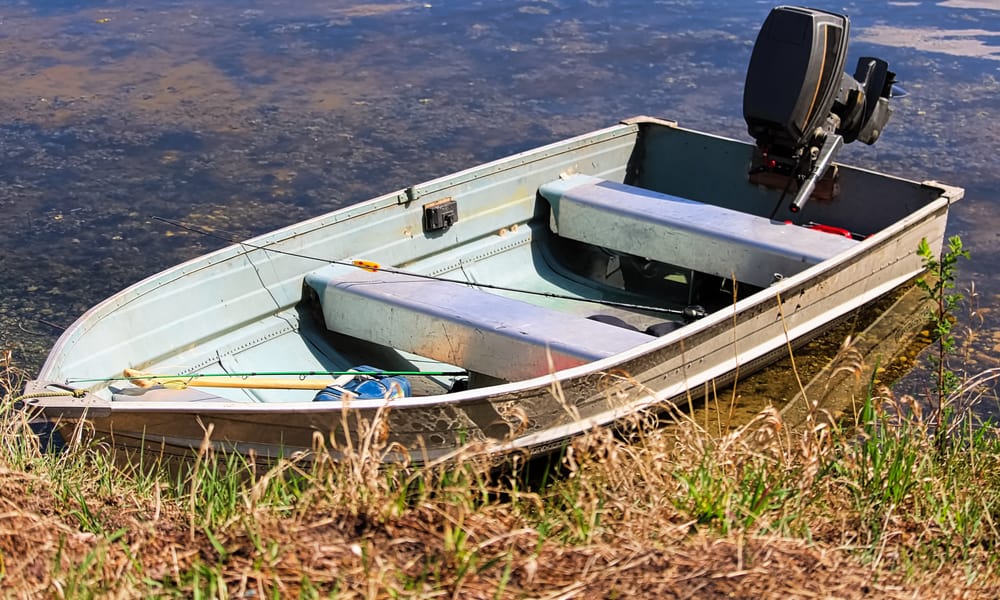
Building Your Own Aluminum Boat: A Beginner's Guide
Alright, you've got the itch to build your own boat, and you're thinking aluminum. That's a great choice! Aluminum boats are tough, durable, and relatively lightweight. Plus, they're perfect for fishing, hunting, or just cruising around the lake. Now, you might be wondering, "Where do I even begin?" Don't worry, building your own aluminum boat can be a fun and rewarding project, even if you've never tackled anything like this before. This guide will walk you through the process step-by-step, giving you all the information you need to get started. Let's get those welding gloves on and dive in!
Planning Your Aluminum Boat Project
Before you start cutting and welding, you need a plan. Think of this like building a house; you wouldn't start hammering nails without blueprints, would you? Here's what you need to consider:
Boat Design
First, you need to decide what kind of boat you want to build. Do you want a simple rowboat? A sleek fishing boat? Or maybe a spacious pontoon? There are countless designs available online, in books, or even from boat plans companies. Take your time browsing and find a design that fits your needs and skill level. Don't be afraid to get creative! Remember, this is your project, so make it personal.
Materials & Tools
Once you've chosen a design, you need to gather your materials. The good news is that aluminum is readily available at most metal suppliers. You'll need sheets of aluminum, aluminum angle, and potentially some aluminum rivets or welding rods, depending on the type of construction you're doing. As for tools, you'll need a metal cutting saw, a drill, and possibly a metal shear, as well as some basic hand tools. If you plan on welding, you'll need a welding machine, safety gear, and a good understanding of welding techniques.
Budget & Time
Building a boat can be expensive, so it's important to set a budget and stick to it. Factor in the cost of materials, tools, and any potential unexpected expenses. And be realistic about the time commitment. Building a boat isn't a weekend project. It will likely take several weeks or even months, depending on the complexity of the design and your experience level.
Getting Started: The Construction Process
Now that you've got your plan in place, let's start building!
Cutting and Shaping Aluminum
The first step is to cut and shape your aluminum sheets. Use your metal cutting saw to cut the sheets into the shapes you need. You can use a metal shear to cut curved sections. For intricate shapes, you can use a metal brake to bend the aluminum. Remember, accuracy is key, so take your time and measure twice, cut once! Be sure to wear safety glasses and gloves to protect yourself from sharp edges and flying metal shavings.
Assembling the Hull
The next step is to assemble the hull. This is where you'll start to see your boat take shape. There are a few different ways to assemble an aluminum hull:
Whatever method you choose, ensure you follow the instructions provided in your boat plans carefully. The last thing you want is to end up with a lopsided hull!
Building the Deck and Superstructure
Once the hull is complete, you can start building the deck and superstructure. Again, follow your boat plans closely. You'll need to cut and shape aluminum to create the deck, seats, and other components. You can use the same methods (riveting, welding, or gluing) to attach these components to the hull.
Adding the Finishing Touches
The final step is to add the finishing touches. This includes things like:
Mastering the Art of Aluminum Welding
If you've chosen to weld your aluminum boat, you're in for a rewarding experience. But welding aluminum requires some special skills. Here's a quick guide:
Types of Welding for Aluminum
There are a few different types of welding that can be used for aluminum:
Aluminum Welding Tips
Here are a few tips for welding aluminum:
Safety First: Protecting Yourself
Building a boat can be dangerous, so it's important to take safety precautions. Always wear safety glasses, gloves, and a respirator mask when working with aluminum. Be sure to keep your work area well-ventilated to prevent the build-up of harmful fumes. Also, make sure you understand the hazards associated with welding and use proper safety equipment. Always read and follow the manufacturer's instructions for all tools and materials you use.
Sharing Your Journey: The Community
The world of boat building is filled with passionate people who are eager to help. Don't be afraid to reach out to online forums, local boat clubs, or experienced boat builders for advice. Share your progress, ask questions, and learn from others. Building a boat can be challenging, but it's also a rewarding experience. So, get out there, get your hands dirty, and start building your dream boat. The journey is just as important as the destination!
Commonly Asked Questions
Here are some common questions that people have about building their own aluminum boats:
Is building an aluminum boat really that difficult?
It depends! Building a simple boat like a rowboat can be a relatively straightforward project, even for beginners. But if you're looking to build a larger, more complex boat, it's essential to have some experience with woodworking and metalworking. There are plenty of resources available to help you learn, but the complexity of the boat will determine the level of difficulty.
How much does it cost to build an aluminum boat?
The cost of building an aluminum boat can vary widely depending on the size and complexity of the design. A simple rowboat could cost a few hundred dollars, while a larger fishing boat could cost several thousand dollars. The cost of materials, tools, and labor will all affect the final price.
What if I don't have any welding experience?
That's okay! You can choose to rivet or glue the aluminum pieces together. It's a good idea to practice with scrap aluminum before working on your actual boat. There are also many online resources and videos available that can teach you the basics of riveting and gluing.
What are some good resources for boat plans?
There are many great resources available for boat plans. You can find free plans online or purchase plans from boat plans companies. Some popular sources include Boat Plans USA, Glen-L Marine Designs, and Duckworks Boat Plans.
Remember, building a boat can be a challenging but rewarding experience. So, if you're ready to take on the challenge, get your tools ready, gather your materials, and start building!

0 comments:
Post a Comment
Note: Only a member of this blog may post a comment.