Free Yacht Plans for Quick DIY Projects
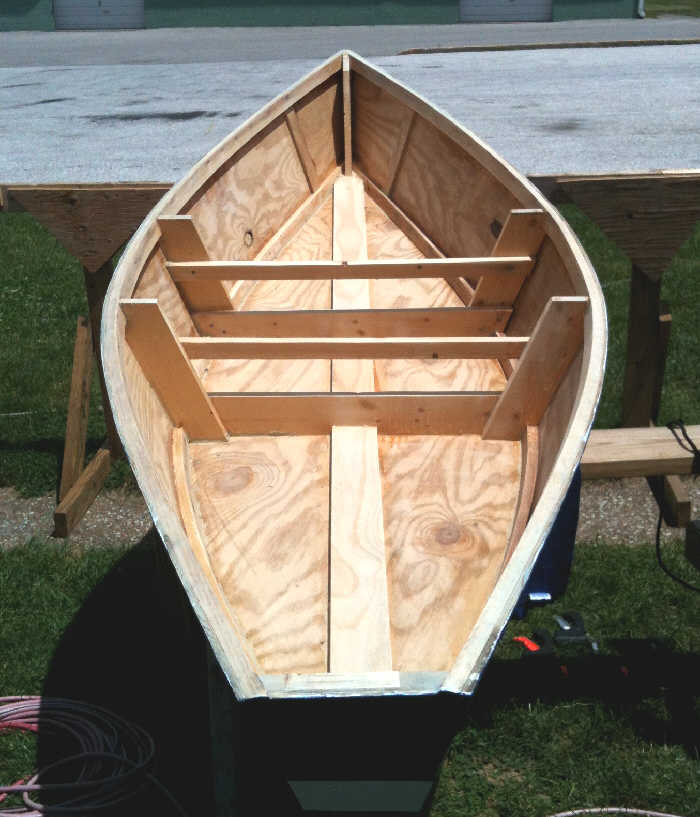
Free Yacht Plans for Quick DIY Projects
The allure of owning a yacht is undeniable. It promises adventures on the open water, luxurious accommodations, and a sense of freedom unmatched by land-bound vehicles. However, the cost of purchasing a new yacht can be prohibitively expensive, often reaching into the millions. But what if you could build your own yacht from scratch, using free plans and readily available materials? While the task may seem daunting, with the right approach, you can turn this dream into a reality.
This article will guide you through the world of free yacht plans, focusing on quick and achievable DIY projects for those who want to experience the thrill of owning a boat without breaking the bank. We'll delve into the intricacies of selecting suitable plans, the tools and materials required, and the necessary steps to bring your yacht to life.
Why Choose Free Yacht Plans?
Free yacht plans offer several advantages over purchasing pre-made plans:
- Cost-Effective: The biggest benefit is, of course, the financial savings. You can avoid the hefty expense associated with buying professional plans, freeing up your budget for materials and other essentials.
- Flexibility: Free plans often allow for customization, enabling you to adjust the design to suit your specific needs and preferences. You can tailor the size, features, and even the aesthetic elements to create a truly unique vessel.
- Learning Experience: Building a boat from free plans can be a rewarding learning experience. You'll gain valuable skills in woodworking, construction, and boatbuilding, which can be applied to other DIY projects in the future.
Types of Free Yacht Plans
Free yacht plans come in various forms, catering to different levels of expertise and boatbuilding ambitions. Here are a few common categories:
- Small Sailboats: These plans are perfect for beginners and are typically designed for single-handed sailing. They're relatively simple to construct, requiring minimal tools and materials.
- Rowboats: Rowboats are another good choice for beginners, as they're lightweight and easy to maneuver. Their construction involves basic woodworking techniques, making them ideal for learning the ropes.
- Dinghies: Dinghies are small, inflatable boats that are often used as tenders for larger yachts. They're readily available as free plans and are relatively easy to assemble.
- Pontoon Boats: These boats feature a floating platform supported by pontoons, providing a stable and comfortable ride. While more complex than small sailboats, free pontoon boat plans are available for DIY enthusiasts.
- Model Boats: If you're looking for a quick and satisfying project, building a model yacht can be a fulfilling endeavor. These plans are readily available online and require less time and effort than building a full-scale boat.
Where to Find Free Yacht Plans
The internet is a treasure trove of free yacht plans, offering a diverse range of designs to suit various skill levels and ambitions. Here are some reliable sources:
- Free Yacht Plans Websites: Several websites specialize in providing free boat plans. A simple Google search for "free yacht plans" will reveal a multitude of options.
- Boatbuilding Forums: Boatbuilding forums are excellent communities for sharing knowledge and resources. Members often share free plans and offer invaluable advice to fellow enthusiasts.
- Online Libraries: Many online libraries, such as the Internet Archive, offer digital copies of vintage boat plans, some of which are available for free.
Choosing the Right Free Yacht Plan
Selecting the appropriate plan is crucial for a successful DIY project. Consider the following factors:
- Skill Level: Assess your woodworking and boatbuilding skills honestly. Choose a plan that aligns with your experience to avoid overwhelming yourself with complex designs.
- Time Commitment: Factor in the time required to build the boat. If you have limited time, opt for a simpler plan that can be completed within a reasonable timeframe.
- Materials Availability: Ensure that the materials specified in the plans are readily available in your area. If not, you may need to find alternative options, which could affect the cost and construction process.
- Budget: Estimate the cost of materials based on the plan's specifications. Ensure that you have a realistic budget before embarking on the project.
- Purpose: Determine the intended use of the boat. Are you planning on sailing, rowing, fishing, or simply enjoying leisurely cruises? Choose a plan that meets your specific needs.
Tools and Materials
The tools and materials required for building a yacht from free plans will vary depending on the specific design. However, here are some common essentials:
- Power Tools: A jigsaw, circular saw, drill press, and sander will be essential for cutting, shaping, and smoothing wood.
- Hand Tools: A hammer, chisel, plane, and various screwdrivers will be necessary for assembling and finishing the boat.
- Wood: The type of wood will depend on the design and intended use. Common options include marine plywood, cedar, oak, and mahogany.
- Epoxy Resin: Epoxy is a strong adhesive and sealant that is essential for boat construction.
- Fiberglass: Fiberglass cloth is used for reinforcing the hull and decks, adding strength and durability.
- Hardware: You'll need various hardware components, such as screws, bolts, cleats, and hinges.
Building Your Yacht
Once you have your plans, tools, and materials, it's time to start building. The specific steps will vary based on the design, but here's a general outline:
- Prepare the Plans: Carefully review the plans, ensuring you understand each step and the required dimensions.
- Cut and Shape the Wood: Using your power tools, cut and shape the wooden components according to the plan's specifications.
- Assemble the Hull: Glue and screw together the wooden components to create the hull, making sure the seams are tight and secure.
- Build the Deck: Construct the deck framework, ensuring proper support for the deck boards.
- Install the Hardware: Attach the cleats, hinges, and other hardware components as specified in the plan.
- Apply Epoxy and Fiberglass: Use epoxy resin to seal and strengthen the seams. Apply fiberglass cloth to reinforce the hull and deck for added durability.
- Paint and Finish: Choose a suitable paint for your boat and apply it in multiple coats to protect the wood and enhance its appearance.
- Install the Rigging: If your boat is a sailboat, install the mast, sails, and other rigging components.
- Launch and Enjoy: Once completed, launch your yacht and enjoy the fruits of your labor!
Safety Considerations
Building a boat is a serious undertaking and requires a keen awareness of safety. Here are some crucial considerations:
- Wear Protective Gear: Always wear safety glasses, gloves, and hearing protection when working with power tools and hazardous materials.
- Follow Safety Instructions: Carefully read and follow the safety instructions provided with the tools and materials you are using.
- Work in a Well-Ventilated Area: When working with epoxy resin and other chemicals, ensure proper ventilation to avoid inhaling fumes.
- Keep Tools Sharp: Sharpen your tools regularly to prevent accidents caused by dull blades.
- Take Breaks: Avoid fatigue by taking breaks throughout the building process to prevent mistakes and accidents.
Conclusion
Building a yacht from free plans can be a challenging but incredibly rewarding project. It offers the opportunity to create a unique vessel tailored to your preferences, while acquiring valuable skills and experiencing the satisfaction of building something with your own hands. By carefully selecting the right plan, gathering the necessary tools and materials, and prioritizing safety, you can turn your dream of owning a yacht into a tangible reality.

0 comments:
Post a Comment
Note: Only a member of this blog may post a comment.