How to Modify Free Wooden Boat Plans for Custom Projects
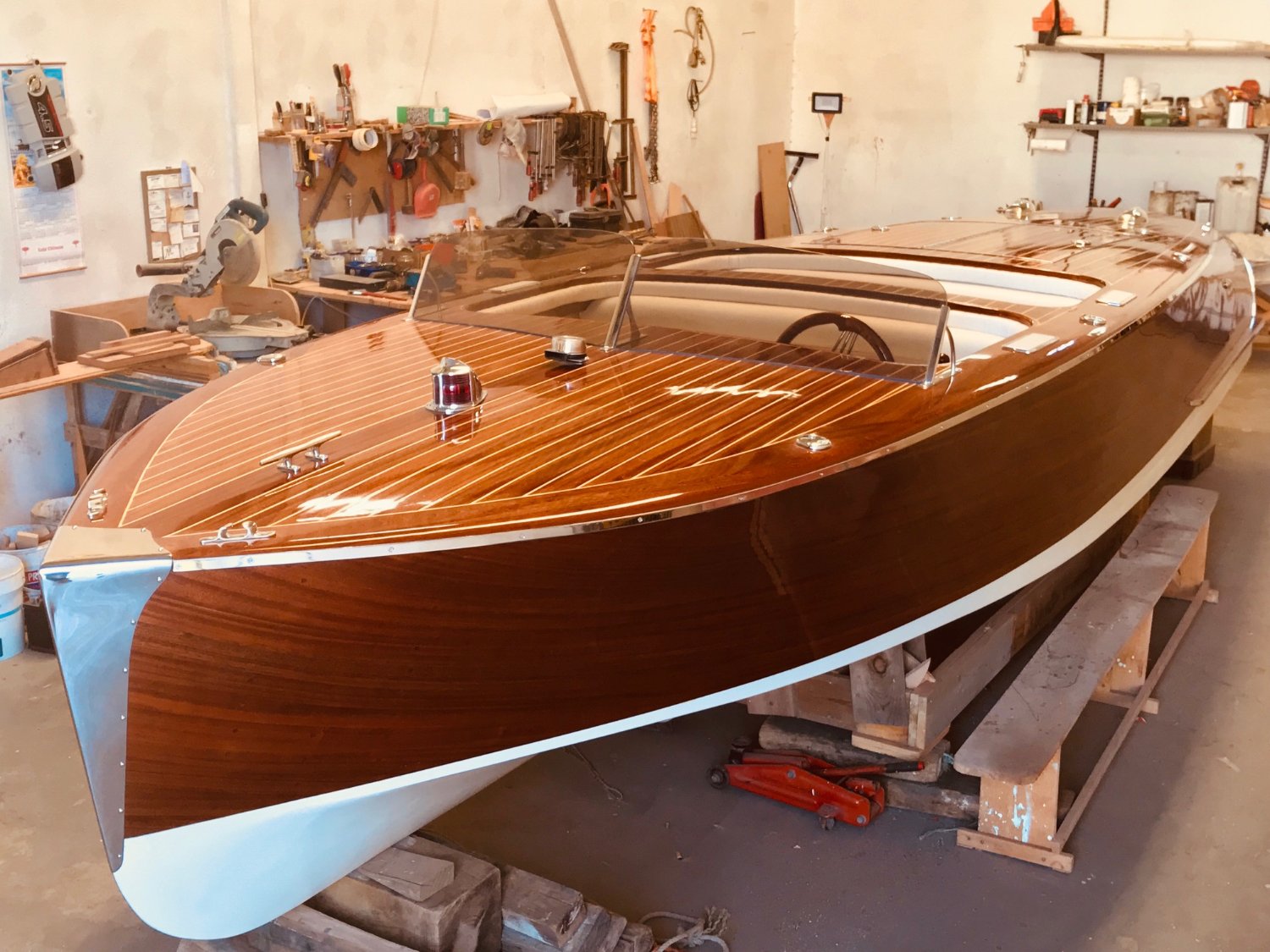
Beyond the Blueprint: Unleashing Creativity in Modifying Free Wooden Boat Plans
Free wooden boat plans offer a fantastic starting point for boatbuilding enthusiasts, but they're rarely a one-size-fits-all solution. This review delves beyond the typical modifications, exploring less-discussed aspects and offering fresh perspectives for hobbyists, professionals, and educational institutions alike. We’ll approach this not as a step-by-step guide, but as a series of crucial questions and insightful answers, drawing upon real-world examples and the latest research in naval architecture and woodworking.
The Unsung Hero: Material Selection and its Impact on Design Modification
Most guides focus on dimensions. But what about the type of wood? Switching from the plan's specified cedar to readily available Douglas fir, for instance, requires more than just a simple substitution.
Q: How does material choice influence structural modifications?
A: Different woods possess unique strengths, densities, and flexibilities (see data on wood properties from the USDA Forest Products Laboratory). A stronger wood like oak might allow for a reduction in beam thickness while maintaining structural integrity, potentially altering the boat's weight and performance. Conversely, a lighter wood could necessitate reinforcing elements in areas initially designed for heavier materials. This impacts not only the build but also the boat's buoyancy and overall hydrodynamic characteristics.
Beyond Simple Scaling: Exploring Proportional Adjustments and Their Implications
Simple scaling â€" enlarging or reducing the plans uniformly â€" is common. But rarely do builders consider the nuanced implications.
Q: What happens when you proportionally scale a boat design beyond its original parameters?
A: Scaling up significantly alters the hull's resistance to water. A larger boat doesn't simply move proportionately faster; hydrodynamic principles dictate a more complex relationship. Similarly, scaling down impacts stability and seaworthiness. Research published in the *International Journal of Naval Architecture and Ocean Engineering* has extensively covered these phenomena, highlighting the need for rigorous calculations to avoid structural failure or compromised performance.
The Unspoken Truth: Adapting for Different Water Conditions
Most free plans assume a “standard†water environment. But what about incorporating modifications based on local conditions?
Q: How can I modify plans for shallow-water navigation or rough seas?
A: Navigating shallow waters demands a shallow draft. This might involve modifying the hull's shape (requiring advanced knowledge of hydrodynamics), possibly changing the keel design or adding a centerboard. For rougher seas, consider strengthening the hull structure, perhaps by adding additional frames or altering the sheerline for increased stability. Remember, safety should always be the top priority.
A Real-World Example: The Kayak Conversion
Consider a builder adapting a small sailboat design into a tandem kayak. This isn't just scaling; it's a fundamental reimagining.
Story: John, an experienced woodworker, used a small dinghy design, removing the mast and adding a more stable, wider hull. He reinforced the bottom and sides with extra layers of fiberglass for durability. The result? A unique, stable tandem kayak tailored to his specific needs and preferences. This highlights the creativity possible when one moves beyond simple modifications, carefully considering the principles of both boatbuilding and kayaking.
Conclusion: Embracing the Creative Potential
Modifying free wooden boat plans is more than just adjusting dimensions; it's an opportunity to deepen your understanding of boat design, material science, and engineering principles. By asking the right questions and creatively applying existing knowledge, you can transform a basic design into a truly unique and personalized vessel. Remember to always prioritize safety and thoroughly research the implications of any modifications before starting your project. The journey of transforming a blueprint into a beautiful, functional boat is a rewarding experience in itself.

0 comments:
Post a Comment
Note: Only a member of this blog may post a comment.