Plywood Boat Plans for Both Freshwater and Saltwater Craft
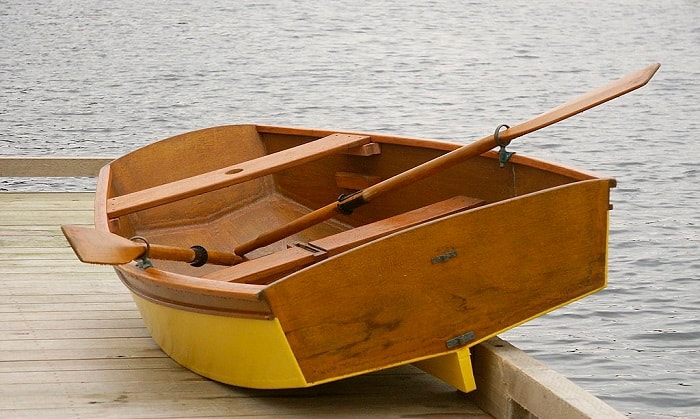
Beyond the Blueprint: Unveiling Fresh Perspectives on Plywood Boat Plans
Plywood boatbuilding offers a fascinating blend of woodworking skill and nautical adventure. While countless plans exist, many overlook crucial aspects that can significantly impact the longevity and performance of your vessel. This article delves beyond the standard blueprints, exploring lesser-known considerations for both freshwater and saltwater applications.
The Unsung Heroes: Material Selection and Environmental Impact
Choosing the right plywood is more than just picking a grade. It's about understanding the subtle differences that dramatically affect your boat's life.
Q: Beyond the standard marine-grade plywood, what other factors should I consider?
A: While marine-grade plywood is essential, delve deeper into the specifics. Look for plywood with a higher percentage of resin in its construction. This improves water resistance and reduces the risk of delamination, especially crucial for saltwater applications. Also, consider the species of wood. Some species, like Okoume, are naturally more resistant to rot and warping than others. Finally, investigate sustainable sourcingâ€"eco-friendly plywood is increasingly available and reduces your environmental footprint.
Q: How can I minimize the environmental impact of my plywood boat project?
A: Beyond choosing sustainably sourced wood, consider minimizing waste during construction. Precise cutting and planning are paramount. Explore the use of water-based adhesives and finishes, reducing volatile organic compound (VOC) emissions. Proper disposal of leftover materials is equally important. Contact local recycling centers for guidance on responsibly discarding wood scraps and adhesives.
Saltwater's Sting: Specific Challenges and Innovative Solutions
Building a boat for saltwater requires a more robust approach than freshwater craft. Corrosion and marine growth are significant concerns.
Q: My dream is a saltwater kayak â€" what are the critical differences in construction I need to consider?
A: For saltwater applications, prioritize several things: epoxy coatings are crucial for sealing the wood and preventing water ingress. Consider using stainless steel fasteners throughout to resist corrosion. Adding sacrificial anodes to your hull can protect against galvanic corrosion. Finally, a careful selection of anti-fouling paint is crucial for preventing marine growth from slowing your boat down.
Story: The Case of the Failing Fasteners
A friend built a beautiful plywood sailboat, but after a few years of saltwater use, many of his bronze fasteners began to corrode, causing leaks. This costly repair taught him the value of using high-quality, marine-grade stainless steel from the outset. The lesson learned? Don't skimp on the hardware!
Beyond the Plans: Creative Design and Customization
While plans provide a framework, don't be afraid to personalize your build. Innovation is key.
Q: How can I incorporate modern technology into a traditional plywood boat design?
A: Consider integrating lightweight, water-resistant electronics. GPS trackers, sonar systems, and even small electric trolling motors can enhance the functionality and enjoyment of your boat without compromising its structural integrity. Remember to carefully seal and protect all electrical components from moisture.
Q: Can I adapt existing plans for a different type of boat?
A: With careful consideration and a good understanding of naval architecture principles, you can adapt existing plans. However, modifications should be approached cautiously. Consult with experienced boat builders or naval architects to ensure structural integrity and stability.
Building a plywood boat is a rewarding undertaking. By thoughtfully considering these often-overlooked aspects, you can significantly enhance the durability, performance, and sustainability of your craft. Remember, innovation and careful planning are your best allies in this fascinating endeavor.

0 comments:
Post a Comment
Note: Only a member of this blog may post a comment.