How to Build a Wooden Boat for Outdoor Sports and Leisure
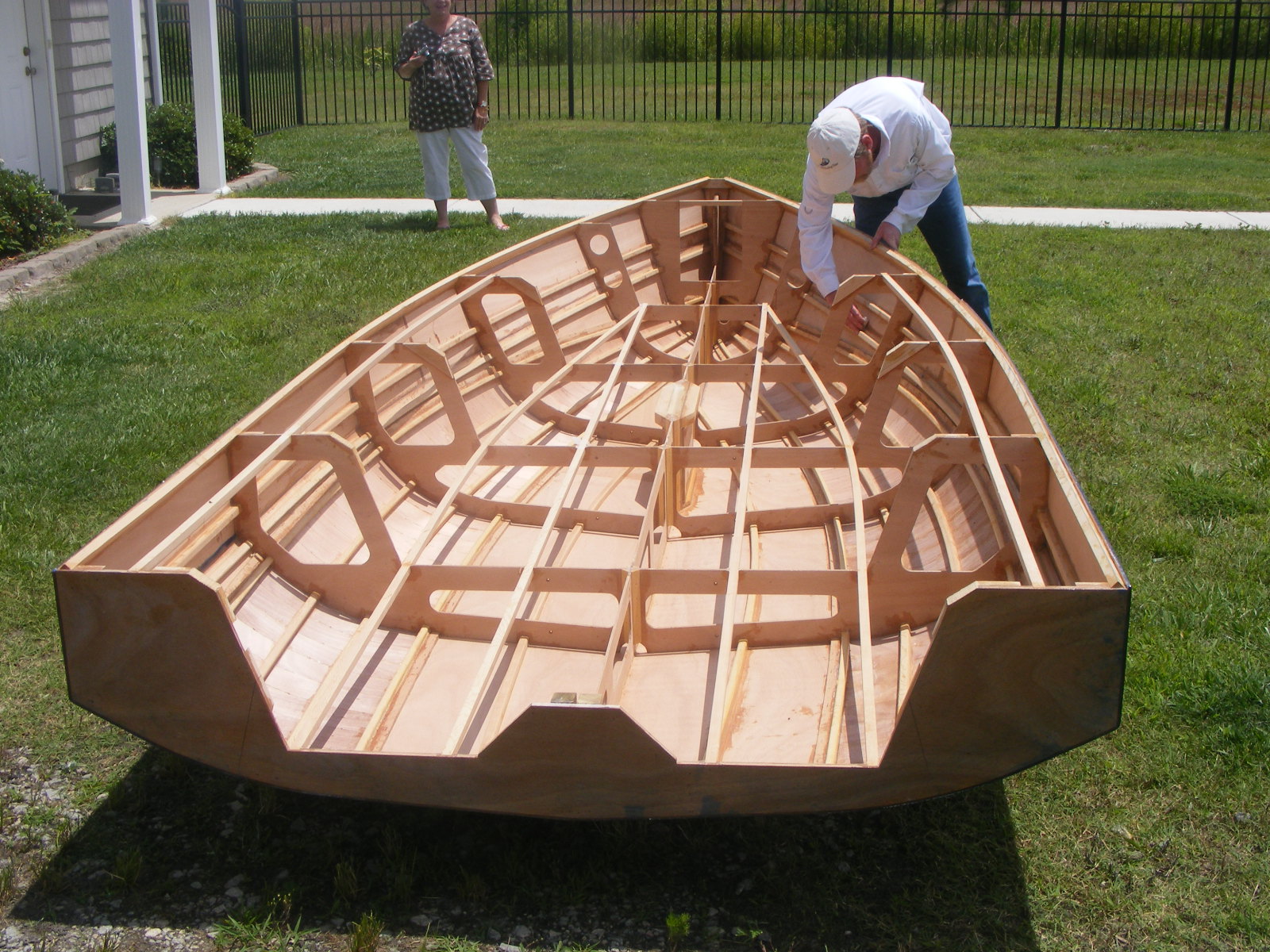
Beyond the Plans: Unveiling Hidden Gems in Wooden Boat Building
Building a wooden boat is a journey, a testament to craftsmanship and a connection with the sea (or lake!). While countless guides detail the *how*, "How to Build a Wooden Boat for Outdoor Sports and Leisure" (let's call it "The Book") and similar resources often miss the nuanced, often overlooked aspects. This review delves into those hidden gems, exploring them through a question-and-answer format, aiming to inspire both seasoned builders and enthusiastic novices.
The Unsung Heroes: Material Selection Beyond the "Standard"
The Book meticulously covers traditional wood choices. But what about the less-trodden path?
Q: Beyond oak and cedar, what sustainable and readily available alternatives exist for boatbuilding?
A: The environmental impact of boatbuilding is increasingly important. Exploring reclaimed wood, responsibly sourced fast-growing species like Paulownia (known for its lightness and strength), and even bamboo (with proper treatment) opens exciting possibilities. Research into the properties of these materials is key, understanding their durability, workability, and susceptibility to rot and marine borers. This requires going beyond the standard advice and delving into materials science literature â€" a search for "Paulownia mechanical properties" or "bamboo composite boat construction" will yield fascinating results. Furthermore, considering lifecycle analysis for the different materials adds a layer of responsible decision-making rarely discussed.
Beyond the Blueprint: Designing for Individual Needs and Environmental Factors
Q: How can boat design be personalized beyond simple modifications to existing plans?
A: The Book provides plans, but true mastery lies in adaptation. Consider your local waterways. A shallow-draft design is crucial for navigating marshes, while a deeper hull is needed for open water. Think about your intended use â€" fishing, leisurely paddling, or even sailing â€" and design accordingly. Software like FreeCAD or specialized boat design programs can help translate these ideas into 3D models, allowing for virtual testing and refinement before a single board is cut. This is where innovation flourishes, creating a boat uniquely suited to your specific needs and location. Remember to consult with naval architects or experienced boat builders for complex designs.
The Finishing Touch: Protecting Your Investment (and the Environment)
Q: What are the eco-friendly alternatives to traditional toxic boat finishes?
A: Traditional varnish and paints contain volatile organic compounds (VOCs) that are harmful to both human health and the environment. The Book might mention alternatives, but a deeper dive is necessary. Researching low-VOC or VOC-free alternatives like natural oils (linseed, tung), water-based polyurethane, and even bio-based paints is vital. While they might require more coats or maintenance, the long-term environmental and health benefits are significant. Organizations like the Environmental Protection Agency (EPA) provide valuable information on environmentally friendly paint choices.
A Real-World Example: Learning from Failure (and Success)
I recently spoke with a seasoned boat builder who encountered a critical flaw in his design â€" a poorly reinforced transom leading to structural failure. He didn't just fix the immediate problem; he meticulously documented the issue, analyzed the cause, and revised his design process for future projects. This underscores the importance of documentation, both for the success and the failures inherent in the process. Detailed photographic and written records serve as invaluable learning tools, not just for the builder, but for the broader community. Sharing these experiences, both triumphant and challenging, is crucial to collective knowledge growth and progress in the craft.
In conclusion, "How to Build a Wooden Boat for Outdoor Sports and Leisure" provides a solid foundation. However, truly mastering this art requires a critical, inquisitive mindset, a willingness to experiment, and an unwavering commitment to continuous learning. By exploring alternative materials, customizing designs, and embracing environmentally responsible practices, boat builders can create truly unique and sustainable vessels while enriching the craft itself.

0 comments:
Post a Comment
Note: Only a member of this blog may post a comment.