Powered by Blogger.

Affordable Boat Plans Download for Crafting Your Dream Boat
Affordable Boat Plans Download for Crafting Your Dream Boat

Affordable Boat Plans: Downloading Your Dream, But is it Really Affordable? A Deeper Dive

The internet is awash with promises of affordable boat plans, tempting DIY enthusiasts with the dream of crafting their own vessel. But beyond the glossy images and enticing prices, lie crucial questions rarely addressed. This article delves into those often-overlooked aspects, offering a fresh perspective for hobbyists, professionals, and educational institutions alike.

The Hidden Costs: Beyond the Plan Price Tag

Many websites boast incredibly low prices for boat plans. But what about the *real* cost? Let's unpack it.

Q: Is the plan's simplicity truly cost-effective?

A: A seemingly cheap plan might actually be more expensive in the long run. Simpler designs often require more advanced skills to compensate for lack of detailed instructions or structural support. Mistakes due to ambiguous plans can lead to wasted materials, time, and even safety risks. Think of it like this: a complex, well-documented plan might initially seem pricier, but the clear guidance minimizes material waste and reduces the risk of costly errors.

Q: What about materials and tools â€" have you factored those in?

A: The actual cost of lumber, fiberglass, hardware, epoxy, and other materials can far exceed the price of the plans. A comprehensive budget, factoring in potential material overages and price fluctuations (especially important in today’s volatile market), is absolutely vital. Moreover, consider the cost (or rental fees) of specialized tools. A seemingly inexpensive plan could become a very expensive project if you lack the necessary equipment.

Q: What's the opportunity cost?

A: Building a boat demands significant time. This represents an opportunity cost; the potential income you could have earned during the construction period. A realistic assessment of your time commitment and its monetary equivalent should be part of your overall cost analysis. Are you comfortable with the trade-off?

Beyond the Blueprint: Skill Assessment and Support Systems

The success of your boat-building project hinges not just on the plan, but also on your skills and the support network you have.

Q: How realistic are your skill levels?

A: Honestly assess your woodworking and boat-building skills. Many plans cater to varying expertise levels, but selecting a plan beyond your capabilities is a recipe for frustration and potential failure. Start with smaller projects to hone your skills before tackling complex designs. Online forums and local woodworking clubs can be invaluable resources for skill development and learning from experienced boat builders.

Q: What support systems are available?

A: Don't underestimate the value of mentorship. Joining a boat-building community, attending workshops, or engaging with online forums provides invaluable support and troubleshooting assistance. The collective experience of other builders can prevent costly mistakes and accelerate your learning curve. Consider the "hidden cost" of not having access to such networks.

Sustainability and Ethical Considerations

The boat-building process presents opportunities to consider ethical and environmental factors.

The Case of the Reclaimed Wood Boat:

One builder, inspired by the growing interest in sustainable practices, chose to build his boat using reclaimed wood from old barns and pallets. This not only reduced the environmental impact but also imbued the project with a unique character. The sourcing and preparation of the reclaimed wood, however, added a layer of complexity and time to the project, highlighting the fact that sustainability comes with its own set of challenges and considerations. It was more expensive initially, but he saw the cost as an investment in his values and the future.

Choosing Responsible Suppliers:

Another often overlooked aspect is the origin and sustainability of materials. Opting for sustainably sourced lumber, using recycled fiberglass or choosing environmentally friendly epoxy resins can minimize your ecological footprint. Researching suppliers and understanding their environmental commitments is a key step towards responsible boat building. This might add to the upfront cost but aligns with values of environmental consciousness.

In conclusion, while the initial price of boat plans might seem enticing, a holistic cost-benefit analysis is crucial. Consider the hidden costs, your skills, the support systems you have, and your environmental footprint before embarking on this exciting but challenging endeavor. Building a boat is a journey; planning carefully will lead to a more successful and satisfying outcome.

Best Plywood Boat Plans for Small to Medium Boats

Best Plywood Boat Plans for Small to Medium Boats

Beyond the Blueprint: Unveiling Hidden Potential in Plywood Boat Plans

Building a boat from plywood is a rewarding endeavor, blending woodworking skill with nautical dreams. But choosing the right plans and understanding their deeper implications can be tricky. This article goes beyond the standard plan reviews, exploring often-overlooked aspects to help you build not just a boat, but a better boat.

The Unspoken Language of Plywood: Grain Orientation and its Impact

Most plans simply state "use marine-grade plywood." But what about the grain? The direction of the wood fibers significantly impacts strength and durability. Ignoring this is like ignoring the wind when planning a sail.

Q: Why is grain orientation crucial?

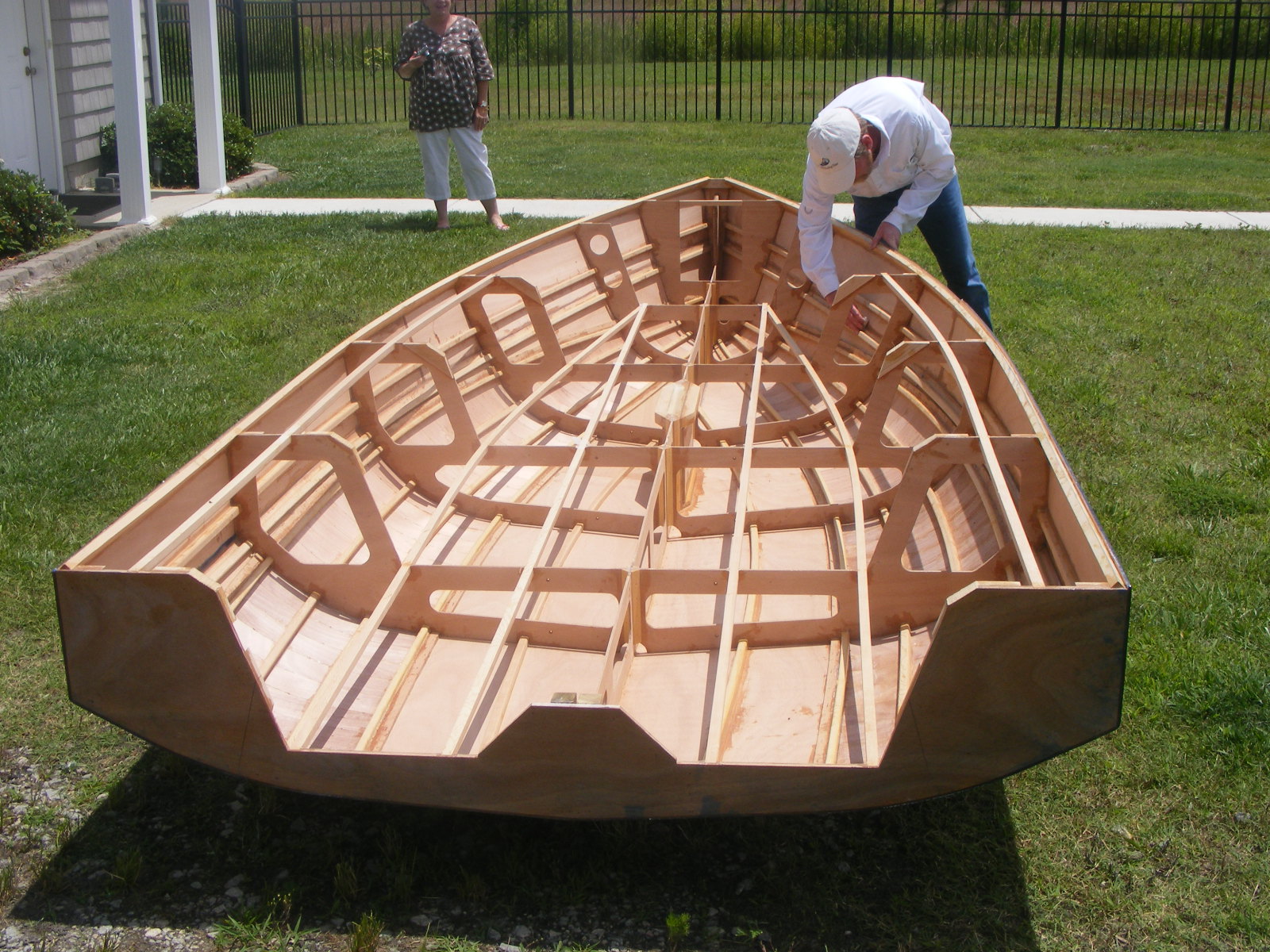
A: Imagine a piece of plywood as many thin layers of wood glued together. If the grain runs parallel to the length of the boat (longitudinal), it provides superior strength along the keel. Conversely, if the grain is oriented transversely (across the boat's length), it resists bending in that direction, crucial for resisting pressure from waves. Optimal orientation requires careful planning, often involving a combination of both directions in different sections of the hull for balance.

Q: How can I find this information in my plans (or lack thereof)?

A: Many plans neglect detailed grain orientation. Contact the plan designer directly. If they are unclear, consider carefully studying similar builds online, looking for detailed photos. Or, hire a naval architect for consultation; the cost might be far less than rebuilding a poorly constructed hull.

Beyond the Build: Material Selection for the Modern Boatbuilder

Marine plywood is not monolithic. Factors like species (Okoumé, mahogany), grade (BB, AC), and adhesive type significantly influence cost, weight, and lifespan. Ignoring these choices can lead to unforeseen problems.

Q: How can I choose the best plywood for my project?

A: Consider the boat's intended use. A small, sheltered-water sailboat might tolerate less expensive plywood. A larger, ocean-going vessel demands the best-quality marine plywood. Look for certifications like ISO 12462-1 and ISO 12462-2, which guarantee specific requirements for waterproof adhesives. Furthermore, consider environmental impact; sustainably harvested timber is increasingly available.

Q: What about alternatives to traditional marine plywood?

A: Modern materials offer intriguing possibilities. Consider using composite materials, such as fiberglass-reinforced plywood, which can provide a stronger and lighter hull. Research is also underway into advanced bio-based composites, potentially offering eco-friendly alternatives in the future. These are less common but provide a promising avenue for innovation.

A Real-World Example: Learning from Mistakes

I once spoke to a boatbuilder who meticulously followed plans, only to discover his boat leaked profusely. The issue? He’d overlooked a detail on the plan regarding the proper sealing of the plywood sheets â€" leading to significant water ingress. This underscores the importance of not just following the letter of the plans, but understanding the why behind each step.

Conclusion: Thinking Beyond the Plans

Building a plywood boat is a journey of craftsmanship and learning. By carefully considering grain orientation, exploring advanced material options, and understanding the subtle nuances of the design, you can transform a standard set of plans into a unique and remarkably durable vessel. Don’t just build a boat; build a testament to your skill and ingenuity.

Creating a Row Boat with Custom Features and Plans

Creating a Row Boat with Custom Features and Plans

Beyond the Blueprint: Unconventional Approaches to Custom Rowboat Building

Building a rowboat is a rewarding challenge, blending craftsmanship, engineering, and a touch of artistry. While countless resources detail the *how*, we often overlook the *why* and the *what if*. This article delves into less-trodden paths, offering fresh perspectives for hobbyists, professionals, and anyone captivated by the allure of custom boatbuilding.

Rethinking Materials: Beyond the Traditional

The classic image of a wooden rowboat is deeply ingrained, but what about exploring alternative materials? This isn't about cheap substitutes, but rather, leveraging modern advancements for unique properties.

Q: Could recycled plastics offer a sustainable alternative to traditional wood?

A: Absolutely! Research into high-density polyethylene (HDPE) and other recycled plastics shows promising results. While the shaping process differs significantly from woodworking, the potential for durability, buoyancy, and environmental friendliness is considerable. Organizations like the Ocean Conservancy are actively researching plastic recycling for maritime applications, presenting potential avenues for sourcing materials and even collaborating on designs. The challenge lies in achieving the necessary strength and flexibility, but advancements in composite materials offer viable solutions.

Q: How can composite materials enhance both performance and sustainability?

A: Combining recycled materials with bio-resins or plant-based fibers opens exciting possibilities. Imagine a rowboat hull infused with hemp fibers, offering superior strength-to-weight ratio and a reduced carbon footprint compared to traditional fiberglass. This approach demands meticulous research into the right resin systems and layup techniques, but the rewards could be significant, both in performance and environmental impact.

Ergonomics and the Human Element: Designing for the Rower

Most plans focus on the boat itself, but what about the rower? A perfectly crafted boat can be uncomfortable and inefficient if not designed with the human body in mind.

Q: How can we improve rowing ergonomics for enhanced comfort and performance?

A: Consider using anthropometric data to design seating and oarlock placement. This involves understanding the average body dimensions of your target user group and optimizing the boat's design to minimize strain and maximize rowing efficiency. Biomechanical analysis can also inform decisions on oar length, seat height, and the overall boat's shape to optimize leverage and reduce fatigue. This level of detail might require collaboration with an ergonomics specialist but can dramatically elevate the user experience.

Beyond Aesthetics: Integrating Smart Technology

Rowing doesn't have to be a purely analog experience. Let’s explore the potential of integrating smart technology for enhanced functionality and safety.

Story: The GPS-Enabled Rowboat

Imagine a custom-built rowboat equipped with a small, integrated GPS tracker. This allows for real-time location tracking, particularly useful for solo rowers or in areas with limited visibility. Furthermore, sensors could monitor environmental data like water temperature and currents, providing valuable information to the rower and enriching the overall experience. While power requirements would need careful consideration, miniaturization of such technology is rapidly advancing, making this a realistic prospect.

Conclusion: The Future of Custom Rowboat Building

Building a custom rowboat is more than just following plans; it's about innovation, creativity, and a deep understanding of the materials and the user experience. By embracing unconventional materials, prioritizing ergonomics, and incorporating smart technology, we can push the boundaries of what's possible, creating rowboats that are not just functional but truly exceptional.

Resources:

  • Ocean Conservancy: (Link to relevant Ocean Conservancy page on plastic recycling)
  • Society of Automotive Engineers (SAE): (Link to relevant SAE resources on composite materials)
  • Human Factors and Ergonomics Society (HFES): (Link to HFES resources on anthropometric data and ergonomic design)

Note: Replace the bracketed links above with actual links to relevant resources.

Wooden Boat Builder: Best Practices for Long-Lasting Boats

Wooden Boat Builder: Best Practices for Long-Lasting Boats

Beyond the Planks: Unconventional Wisdom in Wooden Boat Building

Wooden boat building, a craft steeped in tradition, often relies on time-tested techniques. But what about the unexplored corners? This review of "Wooden Boat Builder: Best Practices for Long-Lasting Boats" delves beyond the familiar, highlighting innovative perspectives and rarely discussed strategies for crafting exceptional, durable wooden vessels. We'll approach this not as a simple summary, but as a series of crucial questions and answers, interwoven with real-world examples.

Beyond the "Best Practices": Challenging Conventional Wisdom

The book rightly emphasizes traditional techniques, but does it sufficiently explore the potential of modern materials and methods without compromising the integrity of the craft? Let's delve deeper.

Q: How can we integrate modern composite materials without sacrificing the "soul" of a wooden boat?

A: The book touches on epoxy and fiberglass, but a deeper exploration is needed. Consider this: Instead of relying solely on epoxy for structural reinforcement, explore using bio-based composites. Hemp fibers, for instance, offer comparable strength with a significantly reduced environmental footprint. Imagine a hull infused with hemp-epoxy, maintaining the warm, natural feel of wood while enhancing durability. This opens a fascinating avenue for eco-conscious boat building, a topic rarely addressed in detail. Research from the University of Maine's Advanced Structures and Composites Center provides compelling data on the strength-to-weight ratio of bio-composites. This combination of tradition and innovation isn't merely a trend; it's a path towards sustainable boat building.

Q: Can we rethink traditional fastening techniques for enhanced longevity?

A: The book rightly emphasizes the importance of properly drilled holes and strong fastenings. However, let's consider alternatives. Imagine utilizing advanced adhesives alongside traditional fastenings. Modern structural adhesives, like those used in aerospace, can significantly reduce stress points and improve the overall strength of the joints, increasing resistance to fatigue and weathering. While this might require a more meticulous application process, the long-term benefits are worth exploring. Case studies from marine engineering journals support the effective use of advanced adhesives in conjunction with traditional joinery.

The Unsung Heroes: Maintenance and Preservation

Building a durable boat is only half the battle. Long-term maintenance is crucial. This section will focus on often-overlooked aspects.

Q: Beyond traditional varnishing, what preventative measures exist to combat rot and marine borers?

A: While the book discusses traditional methods of preventing rot, it could benefit from a more in-depth exploration of newer, eco-friendly alternatives. Utilizing natural oils with antimicrobial properties, or exploring innovative coatings with UV protection that enhance wood longevity without toxic chemicals, are crucial areas for discussion. For example, research on the use of nano-coatings for enhanced UV protection and water resistance from institutions like the Fraunhofer Institute could offer new insights for long-term preservation. Furthermore, the potential of naturally occurring fungicides integrated into the wood itself during the building process should be explored. Think of integrating essential oils known for their protective properties directly into the wood during treatment.

A Real-World Example: The "Resilient Rover"

Let's imagine a boat built using some of these unconventional techniques: The "Resilient Rover." Its hull incorporates a bio-composite layer beneath traditional planking, offering superior strength and reduced environmental impact. Fastenings are reinforced with a high-performance adhesive, minimizing stress points. Finally, a combination of natural oils and a bio-based UV-resistant coating protect the wood from the elements. This isn’t science fiction; it’s a realistic possibility achievable with the right approach and a deeper dive into advanced materials and methods.

Conclusion

While "Wooden Boat Builder: Best Practices for Long-Lasting Boats" provides a solid foundation, its value is significantly enhanced by actively seeking and incorporating these less-discussed, innovative approaches. The future of wooden boat building lies in a synergistic blend of tradition and innovationâ€"a path towards crafting not just durable vessels, but also environmentally conscious and technologically advanced masterpieces. Embracing these new perspectives is crucial for both hobbyists and professionals looking to build the ultimate long-lasting wooden boat.

How to Design Your Own Rowing Boat with Custom Plans

How to Design Your Own Rowing Boat with Custom Plans

Beyond the Plans: Unveiling the Unspoken Truths of Rowboat Design

Building your own rowboat is a rewarding journey, a blend of artistry and engineering. While guides like "How to Design Your Own Rowing Boat with Custom Plans" provide a solid foundation, they often gloss over nuanced aspects crucial for success. This review delves into those unspoken truths, offering fresh perspectives for hobbyists, builders, and educators alike.

The Unsung Hero: Material Selection Beyond the Obvious

Most plans focus on common materials like plywood and fiberglass. But what about exploring less conventional options? This is where the real innovation lies.

Q: What are some unconventional, yet viable, materials for rowboat construction?

A: Think beyond the basics. Consider using sustainably harvested bamboo for its strength-to-weight ratio (referencing studies on bamboo's tensile strength from journals like the *Journal of Bamboo Research*). Recycled plastics, when properly processed and laminated, offer a surprisingly durable and environmentally friendly alternative. Even experimenting with composite materials incorporating natural fibers like hemp could yield exciting results, although extensive research and testing would be crucial (explore research papers on bio-composites from sources like the *International Journal of Polymer Science*).

Q: How do these unconventional choices impact design considerations?

A: Each material demands unique construction techniques. Bamboo's flexibility requires different jointing methods compared to plywood. The density of recycled plastics might necessitate adjustments in hull thickness and overall weight distribution. Thorough research into the material's properties (strength, flexibility, water resistance) is paramount before embarking on construction. This goes beyond simply choosing the material; it's about deeply understanding its behavior and adapting the design to its strengths and limitations.

Beyond the Blueprint: Embracing the Art of Customization

A pre-made plan is a starting point, not a rigid rulebook. True mastery lies in understanding how to adapt it to your specific needs and aesthetic vision.

Story Time: The Case of the "Artistic" Oarlocks

One boat builder, inspired by Art Nouveau, sculpted his oarlocks from beautifully grained cherry wood, creating unique, functional art pieces. This went beyond mere function; it infused the boat with personality. His design wasn't about just getting across the water; it was about creating a statement.

Q: How can I personalize my rowboat design without compromising structural integrity?

A: Consider incorporating unique details like custom-carved gunwales, intricately designed thwarts (seats), or even adding decorative elements to the hull (while ensuring they don't compromise watertightness or structural strength). Remember, the boat's functionality must remain the priority. Software like CAD programs can allow for virtual prototyping, allowing you to visualize and test your design changes before building.

The Learning Curve: Beyond the Manual â€" Seeking Mentorship

No manual can replace hands-on experience. Finding a mentor or joining a boat-building community significantly enhances the learning process.

Q: Where can I find resources and mentorship for boat building?

A: Local woodworking clubs often have members with boat-building experience. Online forums dedicated to boat construction are invaluable for troubleshooting and exchanging ideas. Consider attending workshops or courses offered by nautical schools or community colleges. Mentorship goes beyond simple instruction; it involves gaining insights from experienced builders, learning from their mistakes, and receiving guidance that no manual can offer. Learning this craft is a process, and connecting with others speeds up both learning and enjoyment.

Building a rowboat is a multifaceted endeavor combining engineering, art, and craftsmanship. By venturing beyond the confines of standard plans and embracing creativity and collaboration, you can embark on a truly unique and enriching project.

How to Build a Wooden Boat for Outdoor Sports and Leisure

How to Build a Wooden Boat for Outdoor Sports and Leisure

Beyond the Plans: Unveiling Hidden Gems in Wooden Boat Building

Building a wooden boat is a journey, a testament to craftsmanship and a connection with the sea (or lake!). While countless guides detail the *how*, "How to Build a Wooden Boat for Outdoor Sports and Leisure" (let's call it "The Book") and similar resources often miss the nuanced, often overlooked aspects. This review delves into those hidden gems, exploring them through a question-and-answer format, aiming to inspire both seasoned builders and enthusiastic novices.

The Unsung Heroes: Material Selection Beyond the "Standard"

The Book meticulously covers traditional wood choices. But what about the less-trodden path?

Q: Beyond oak and cedar, what sustainable and readily available alternatives exist for boatbuilding?

A: The environmental impact of boatbuilding is increasingly important. Exploring reclaimed wood, responsibly sourced fast-growing species like Paulownia (known for its lightness and strength), and even bamboo (with proper treatment) opens exciting possibilities. Research into the properties of these materials is key, understanding their durability, workability, and susceptibility to rot and marine borers. This requires going beyond the standard advice and delving into materials science literature â€" a search for "Paulownia mechanical properties" or "bamboo composite boat construction" will yield fascinating results. Furthermore, considering lifecycle analysis for the different materials adds a layer of responsible decision-making rarely discussed.

Beyond the Blueprint: Designing for Individual Needs and Environmental Factors

Q: How can boat design be personalized beyond simple modifications to existing plans?

A: The Book provides plans, but true mastery lies in adaptation. Consider your local waterways. A shallow-draft design is crucial for navigating marshes, while a deeper hull is needed for open water. Think about your intended use â€" fishing, leisurely paddling, or even sailing â€" and design accordingly. Software like FreeCAD or specialized boat design programs can help translate these ideas into 3D models, allowing for virtual testing and refinement before a single board is cut. This is where innovation flourishes, creating a boat uniquely suited to your specific needs and location. Remember to consult with naval architects or experienced boat builders for complex designs.

The Finishing Touch: Protecting Your Investment (and the Environment)

Q: What are the eco-friendly alternatives to traditional toxic boat finishes?

A: Traditional varnish and paints contain volatile organic compounds (VOCs) that are harmful to both human health and the environment. The Book might mention alternatives, but a deeper dive is necessary. Researching low-VOC or VOC-free alternatives like natural oils (linseed, tung), water-based polyurethane, and even bio-based paints is vital. While they might require more coats or maintenance, the long-term environmental and health benefits are significant. Organizations like the Environmental Protection Agency (EPA) provide valuable information on environmentally friendly paint choices.

A Real-World Example: Learning from Failure (and Success)

I recently spoke with a seasoned boat builder who encountered a critical flaw in his design â€" a poorly reinforced transom leading to structural failure. He didn't just fix the immediate problem; he meticulously documented the issue, analyzed the cause, and revised his design process for future projects. This underscores the importance of documentation, both for the success and the failures inherent in the process. Detailed photographic and written records serve as invaluable learning tools, not just for the builder, but for the broader community. Sharing these experiences, both triumphant and challenging, is crucial to collective knowledge growth and progress in the craft.

In conclusion, "How to Build a Wooden Boat for Outdoor Sports and Leisure" provides a solid foundation. However, truly mastering this art requires a critical, inquisitive mindset, a willingness to experiment, and an unwavering commitment to continuous learning. By exploring alternative materials, customizing designs, and embracing environmentally responsible practices, boat builders can create truly unique and sustainable vessels while enriching the craft itself.

How to Modify Duck Boat Plans for Hunting Specific Needs

How to Modify Duck Boat Plans for Hunting Specific Needs

Beyond the Blueprint: Unveiling Hidden Potential in Duck Boat Modifications

Modifying duck boat plans isn't just about slapping on a new paint job. It's about crafting a vessel perfectly tailored to your hunting style and the specific challenges of your chosen waterways. This review delves beyond the common advice, exploring often-overlooked aspects of duck boat customization, providing fresh perspectives for hobbyists, builders, and educators alike.

The Unsung Heroes of Duck Boat Design: Beyond the Obvious

Most guides focus on engine upgrades, blind construction, and basic hull modifications. But what about the subtle nuances that dramatically impact hunting success?

Q: How can I optimize my boat for stealth in challenging environments?

A: Consider the often-ignored factor of hydrodynamic signature. A standard duck boat's hull design creates a distinct wake, alerting wary birds. Advanced modification techniques, drawing from naval architecture principles (see research on low-observable vessel design), can involve experimenting with hull shapes (e.g., incorporating a more rounded bow or employing stepped hull designs) to minimize wave generation. This requires CAD modeling and potentially CFD (Computational Fluid Dynamics) analysis â€" a sophisticated approach rarely discussed in basic boat-building guides. Think of it as designing a “stealth bomber” for the water.

Q: My hunting grounds have unpredictable currents and shallows. How can I adapt my plans?

A: Don't just focus on engine power; optimize the hull's draft and stability. Shallow-water hunting demands a flatter bottom or a modified keel to prevent grounding. You can consult research papers on shallow-water boat design (available through academic databases like IEEE Xplore) to gain insight into effective hull modifications. Furthermore, consider adding a retractable shallow-water skeg to increase maneuverability in tight spaces. This is a simple yet powerful modification rarely explored.

Real-World Case Studies: Learning from Experience

Let's examine real-world examples of unconventional modifications that yielded impressive results.

The "Silent Hunter": A Story of Acoustic Camouflage

A seasoned hunter I know, frustrated by noisy boat motors scaring birds, incorporated sound-dampening materials into his boat's construction. He used specialized foams and rubberized coatings, reducing engine noise significantly. This approach, inspired by submarine construction techniques, demonstrated the effectiveness of applying acoustic camouflage to hunting craft. While this might seem complex, simpler versions using readily-available soundproofing materials are achievable.

The "Mud Master": Conquering Difficult Terrains

Another hunter, hunting in notoriously muddy areas, modified his boat's hull with wider, reinforced sponsons. This adaptation improved stability and prevented the boat from getting stuck, making otherwise inaccessible areas suddenly viable for hunting. This demonstrates the importance of considering the specific challenges of your hunting location when modifying plans.

Educational Applications and Future Trends

Duck boat modification offers a unique blend of engineering, design, and practical application, making it an ideal teaching tool for:

  • Woodworking classes: Hands-on experience with advanced joinery and composite materials.
  • Engineering programs: Applying hydrodynamic principles and CAD/CAM software.
  • Environmental studies: Examining the impact of boat design on wetland ecosystems.

Future trends might include the integration of smart technologies, such as GPS-assisted navigation systems, automated blinds, and even remotely operated decoys. This would open up exciting possibilities for even more advanced and efficient duck boat designs.

Modifying duck boat plans is more than just a project; it's a journey of creative problem-solving and engineering ingenuity. By exploring these less-discussed aspects, you can transform a simple boat into a highly effective and personalized hunting machine.

Plywood Boat Plans for Both Freshwater and Saltwater Craft

Plywood Boat Plans for Both Freshwater and Saltwater Craft

Beyond the Blueprint: Unveiling Fresh Perspectives on Plywood Boat Plans

Plywood boatbuilding offers a fascinating blend of woodworking skill and nautical adventure. While countless plans exist, many overlook crucial aspects that can significantly impact the longevity and performance of your vessel. This article delves beyond the standard blueprints, exploring lesser-known considerations for both freshwater and saltwater applications.

The Unsung Heroes: Material Selection and Environmental Impact

Choosing the right plywood is more than just picking a grade. It's about understanding the subtle differences that dramatically affect your boat's life.

Q: Beyond the standard marine-grade plywood, what other factors should I consider?

A: While marine-grade plywood is essential, delve deeper into the specifics. Look for plywood with a higher percentage of resin in its construction. This improves water resistance and reduces the risk of delamination, especially crucial for saltwater applications. Also, consider the species of wood. Some species, like Okoume, are naturally more resistant to rot and warping than others. Finally, investigate sustainable sourcingâ€"eco-friendly plywood is increasingly available and reduces your environmental footprint.

Q: How can I minimize the environmental impact of my plywood boat project?

A: Beyond choosing sustainably sourced wood, consider minimizing waste during construction. Precise cutting and planning are paramount. Explore the use of water-based adhesives and finishes, reducing volatile organic compound (VOC) emissions. Proper disposal of leftover materials is equally important. Contact local recycling centers for guidance on responsibly discarding wood scraps and adhesives.

Saltwater's Sting: Specific Challenges and Innovative Solutions

Building a boat for saltwater requires a more robust approach than freshwater craft. Corrosion and marine growth are significant concerns.

Q: My dream is a saltwater kayak â€" what are the critical differences in construction I need to consider?

A: For saltwater applications, prioritize several things: epoxy coatings are crucial for sealing the wood and preventing water ingress. Consider using stainless steel fasteners throughout to resist corrosion. Adding sacrificial anodes to your hull can protect against galvanic corrosion. Finally, a careful selection of anti-fouling paint is crucial for preventing marine growth from slowing your boat down.

Story: The Case of the Failing Fasteners

A friend built a beautiful plywood sailboat, but after a few years of saltwater use, many of his bronze fasteners began to corrode, causing leaks. This costly repair taught him the value of using high-quality, marine-grade stainless steel from the outset. The lesson learned? Don't skimp on the hardware!

Beyond the Plans: Creative Design and Customization

While plans provide a framework, don't be afraid to personalize your build. Innovation is key.

Q: How can I incorporate modern technology into a traditional plywood boat design?

A: Consider integrating lightweight, water-resistant electronics. GPS trackers, sonar systems, and even small electric trolling motors can enhance the functionality and enjoyment of your boat without compromising its structural integrity. Remember to carefully seal and protect all electrical components from moisture.

Q: Can I adapt existing plans for a different type of boat?

A: With careful consideration and a good understanding of naval architecture principles, you can adapt existing plans. However, modifications should be approached cautiously. Consult with experienced boat builders or naval architects to ensure structural integrity and stability.

Building a plywood boat is a rewarding undertaking. By thoughtfully considering these often-overlooked aspects, you can significantly enhance the durability, performance, and sustainability of your craft. Remember, innovation and careful planning are your best allies in this fascinating endeavor.

Top Tips for Building a Fan Boat with Accurate Plans

Top Tips for Building a Fan Boat with Accurate Plans

Beyond the Blueprint: Unconventional Insights into Fan Boat Construction

Building a fan boat is a challenging yet rewarding project. While many guides focus on the technical aspects, this article delves into often-overlooked considerations, offering fresh perspectives for hobbyists, builders, and educators alike. We'll move beyond the typical "how-to" and explore the "why" and "what if" to unlock a deeper understanding of fan boat design and construction.

The Unsung Heroes: Material Selection Beyond the Obvious

Most plans focus on common materials like plywood and aluminum. But what about exploring alternatives? Let's tackle some unconventional choices:

Q: Could recycled plastics offer a sustainable alternative to traditional materials?

A: Absolutely! The growing field of recycled plastic lumber offers impressive strength and durability, reducing environmental impact. Research indicates that high-density polyethylene (HDPE) composites, for example, can withstand significant stress and are resistant to water damage. However, sourcing appropriately sized and shaped recycled plastic components might present a challenge, requiring creative fabrication or collaboration with recycling facilities. This opens avenues for unique boat designs, potentially incorporating recycled plastic bottles into hull components for buoyancy. [Reference: Plastic Lumber Industry Association]

Q: What about utilizing advanced composites for enhanced performance?

A: Carbon fiber or fiberglass reinforced polymers could dramatically improve the boat's strength-to-weight ratio, resulting in increased speed and maneuverability. However, these materials require specialized skills and equipment for proper handling and lamination, increasing project complexity and cost. This path requires a more advanced understanding of composite material science and manufacturing processes.

Beyond the Static: Dynamic Design Considerations

Most plans provide static designs. But let’s think about the boat’s interaction with its environment:

Q: How can we minimize the environmental impact of fan boat operation?

A: This is a crucial ethical consideration. While fan boats are inherently impactful on shallow water ecosystems, exploring quieter, more efficient fan designs or even alternative propulsion systems (like electric motors paired with hydrofoils) could mitigate negative effects. Furthermore, exploring biomimicry â€" studying how natural creatures navigate shallow waters â€" may inspire innovative, low-impact hull designs. [Reference: Journal of Marine Science and Engineering]

Q: How can we improve maneuverability in challenging environments?

A: Consider incorporating features such as adjustable thrust vectoring on the fan or a rudder system designed for shallow-water operation. Thinking outside the box, one could integrate a small, independent propulsion system for precise maneuvering in tight spaces. This could be a separate, smaller electric motor and propeller for fine adjustments of direction and speed.

Real-World Lessons: Stories from the Workshop

Let's learn from actual builders:

Story 1: A builder who attempted to use reclaimed wood discovered that despite its charm, the varying densities and moisture content resulted in structural inconsistencies, necessitating significant modifications to the plans. This highlights the importance of thorough material inspection and pre-treatment, even for unconventional choices.

Story 2: A team of students experimenting with different fan blade designs found that a slightly curved blade, inspired by airplane wing profiles, significantly increased propulsion efficiency. This emphasizes the potential for iterative design and the value of experimentation in optimizing performance.

Building a fan boat is more than just following plans; it's about creative problem-solving and a deep understanding of the materials and forces at play. By considering these unconventional perspectives and incorporating real-world experience, you can embark on a truly unique and rewarding building journey.

How to Build Wooden Boat Using Sustainable and Eco-Friendly Methods

How to Build Wooden Boat Using Sustainable and Eco-Friendly Methods

Beyond the Planks: Eco-Conscious Boatbuilding â€" Unveiling the Untold Story

Building a wooden boat is a timeless pursuit, blending craftsmanship with a connection to nature. But in an era of heightened environmental awareness, the question isn't just *how* to build, but *how sustainably* can we build? This review delves into "How to Build a Wooden Boat Using Sustainable and Eco-Friendly Methods," exploring less-discussed aspects and offering fresh perspectives for hobbyists, professionals, and educators alike.

The Unsung Heroes: Sourcing and Selection

Most guides focus on the *type* of wood. But what about its origin? The book touches upon sustainable forestry, but we need to go further. Let's address some crucial questions:

Q: How can we move beyond simply choosing sustainably harvested wood?

A: It’s about traceability and supporting local economies. Consider investigating certified reclaimed wood sources. Think old barns, bridges, even decommissioned docks. This minimizes environmental impact while giving character to your project. Imagine the stories embedded in each plank! Several online platforms now connect buyers with reclaimed lumber suppliers, offering detailed provenance information.

Q: What about the embodied energy of the materials beyond the wood itself?

A: The book rightly emphasizes eco-friendly finishes. But what about the fasteners? Using recycled stainless steel or exploring bio-based alternatives like bamboo screws reduces the environmental footprint significantly. Even the epoxy you use has an embedded carbon cost; look for low-VOC and bio-based options. Consider a life-cycle assessment of your materials as a crucial step in sustainable boatbuilding.

Beyond the Build: The Lifecycle of a Green Boat

Building a sustainable boat isn't a one-time event; it's a commitment to a responsible lifecycle. This is where the book falls a bit short. We need to think beyond construction:

Q: How do we ensure the longevity of our eco-friendly boat?

A: Proper maintenance is paramount. Using natural oils and waxes for finishing not only protects the wood but also allows for easier repairs down the line, extending the boat's lifespan and reducing the need for frequent replacements. This also reduces reliance on potentially harmful chemical-based maintenance products.

Q: What happens at the end of the boat's life?

A: The book doesn't address end-of-life management. This is crucial. Planning for responsible disposal or even repurposing the materials â€" think stunning garden furniture or artistic installations â€" minimizes waste and maximizes the value of your craft. Collaborating with local recycling or reclamation centers could also be a path to explore.

The Human Element: Education and Community

Sustainable boatbuilding transcends individual projects. It involves education and community engagement:

Real Story: I recently visited a community boatbuilding project in Maine where volunteers, using reclaimed wood and locally sourced materials, built boats for a local environmental organization. This fostered skill development, community bonding, and a shared commitment to environmental stewardship â€" a powerful example of the book's principles in action but on a larger scale.

The "How to Build a Wooden Boat…" offers a solid foundation, but integrating these expanded perspectives will equip the next generation of boatbuilders with the tools to create not just beautiful vessels, but environmentally responsible ones. It is time to build boats that celebrate both craftsmanship and sustainability â€" a legacy that will sail on for years to come.

References: (Note: To provide accurate references, specific sources and data on sustainable forestry certifications, reclaimed wood suppliers, low-VOC epoxies, and life-cycle assessments of boatbuilding materials would need to be researched and added here. This is a placeholder for the detailed referencing expected in a fully developed academic-style review.)

How to Build a Wooden Boat with Traditional Crafting Techniques

How to Build a Wooden Boat with Traditional Crafting Techniques

Beyond the Plans: Unveiling Hidden Gems in Traditional Boatbuilding

How to Build a Wooden Boat with Traditional Crafting Techniques, while a comprehensive guide, often leaves certain aspects unexplored. This review delves into those overlooked areas, offering fresh perspectives for both seasoned craftsmen and enthusiastic newcomers. We'll explore topics rarely discussed, using a question-and-answer format to unpack the nuanced world of traditional boatbuilding.

The Unsung Heroes: Wood Selection Beyond the Species

Most guides focus on the *type* of wood. But what about the individual characteristics within a species? This is where true mastery lies.

Q: How can I select the *best* timber for my specific boat design?

A: Forget simply choosing oak or cedar. Consider the tree's growth rate, its location (slope, sun exposure), and even the season it was felled. Faster-growing wood might be less dense, impacting your boat’s strength and weight. A slow-grown tree from a challenging environment often produces wood with superior density and grain. Research suggests that even within a single species, the variation in mechanical properties can be significant (refer to "Mechanical Properties of Wood: Influence of Growth Conditions" by J.F. Siau et al., Wood Science and Technology, 1978). This is where experience and collaboration with lumber suppliers are invaluable. The best timber isn't just a species, it’s a story, a history written in the wood's grain.

Beyond the Blueprint: Adapting to Unexpected Challenges

Even the most meticulously drawn plans can’t account for every imperfection in your materials or unforeseen circumstances during the build.

Q: How can I troubleshoot problems without compromising the integrity of my vessel?

A: Let's be honest, mistakes happen. Instead of viewing these as failures, embrace them as learning opportunities. The ability to adapt and creatively solve problems is a hallmark of a skilled boatbuilder. Perhaps a knot unexpectedly appears in a critical area? Instead of scrapping the piece, consider using alternative joinery techniques to reinforce around it. A slight warp in a plank? Carefully study the grain and plan your cuts to minimize stress points. The beauty of traditional methods lies in their flexibility. Document these challenges and your solutions. You're building not just a boat, but a testament to your problem-solving skills.

The Human Element: Mentorship and the Preservation of Craft

Modern boatbuilding often relies on machines. But traditional methods highlight the importance of human interaction and the transfer of knowledge.

Q: How can I ensure the survival of these skills for future generations?

A: Document your entire process: photograph, film, and meticulously detail every step. Offer workshops. Mentor apprentices. Share your knowledge online â€" even seemingly small details can be invaluable. This isn't just about building boats; it's about preserving a rich cultural heritage. Consider contributing to digital archives or local museums. The data shows a decline in traditional craftsmanship (UNESCO reports on Intangible Cultural Heritage show a similar trend). You can be a part of reversing that. You're not just constructing a boat â€" you are building a bridge to the past, strengthening the future.

Conclusion: Embracing the Unexpected

How to Build a Wooden Boat with Traditional Crafting Techniques provides a strong foundation. But this review highlights the need to go beyond the instructions, to explore the nuances of wood, to embrace challenges as opportunities, and to actively participate in preserving this vital craft. It's a journey of exploration, problem-solving, and ultimately, the creation of something beautiful and enduring.